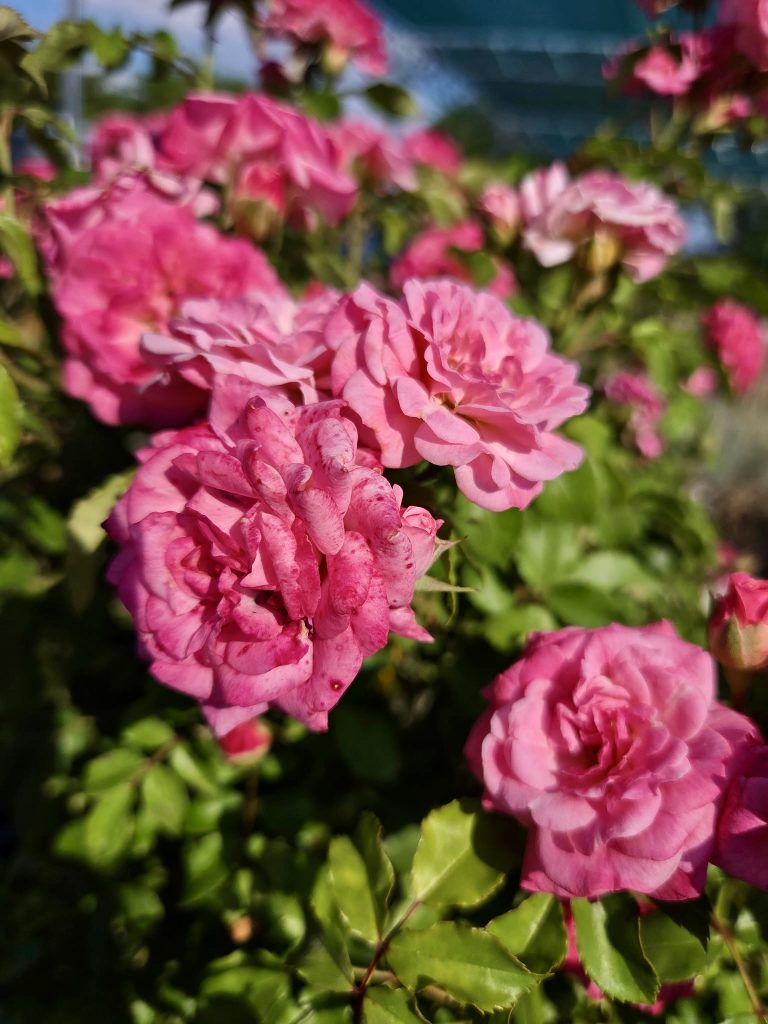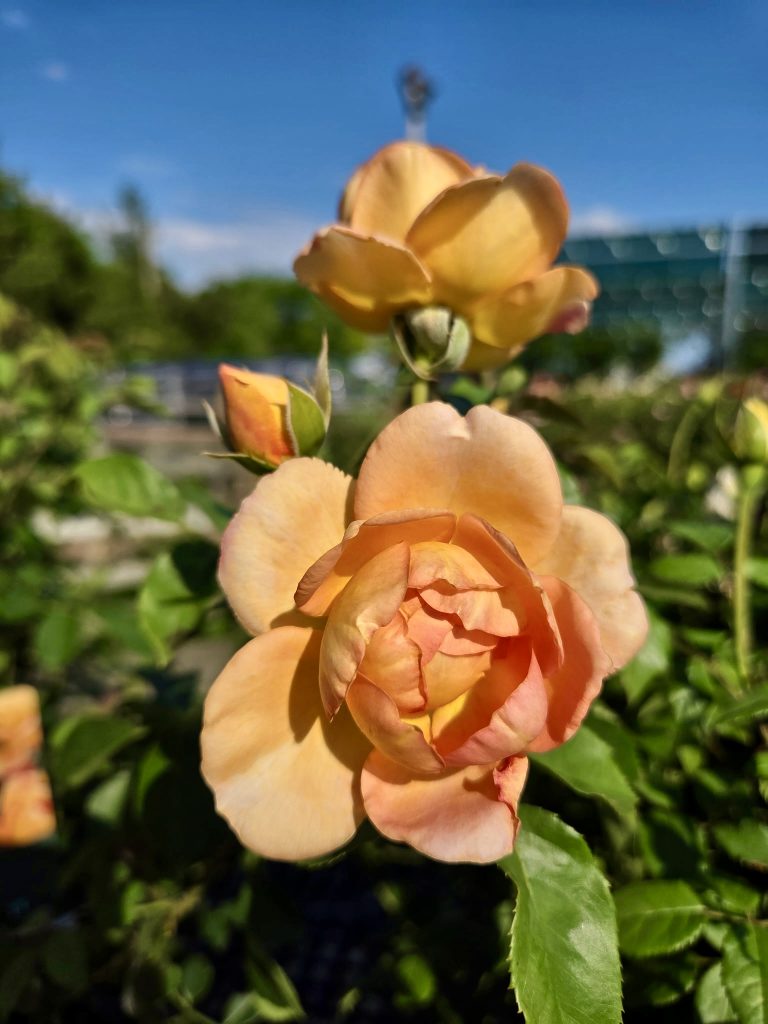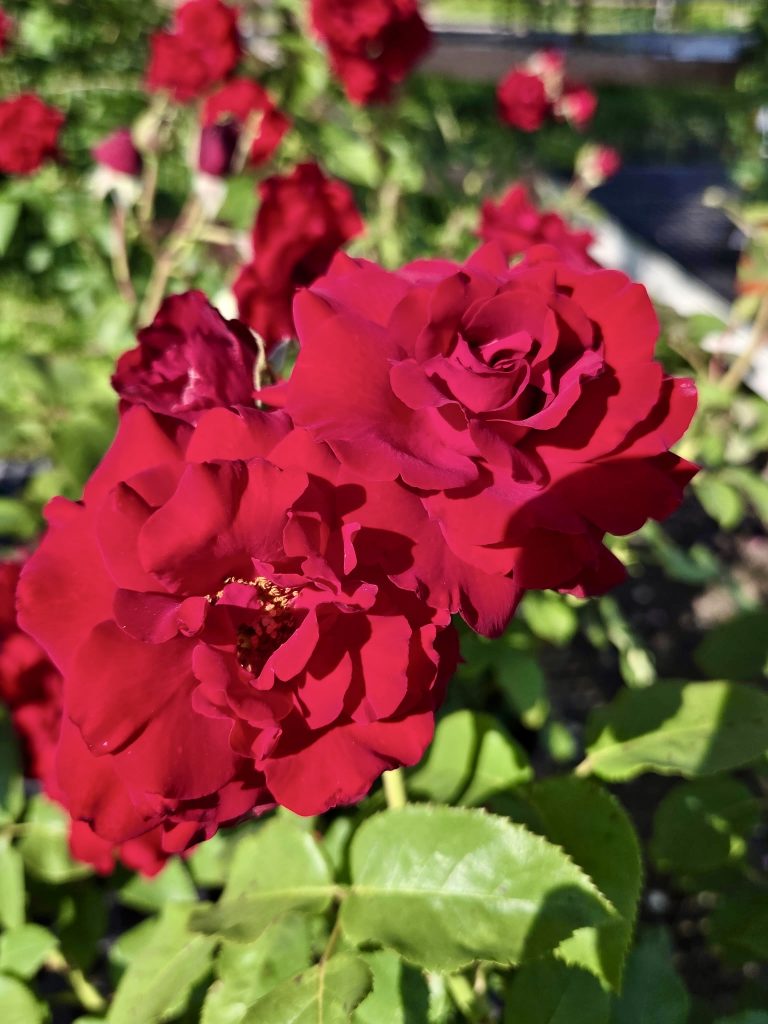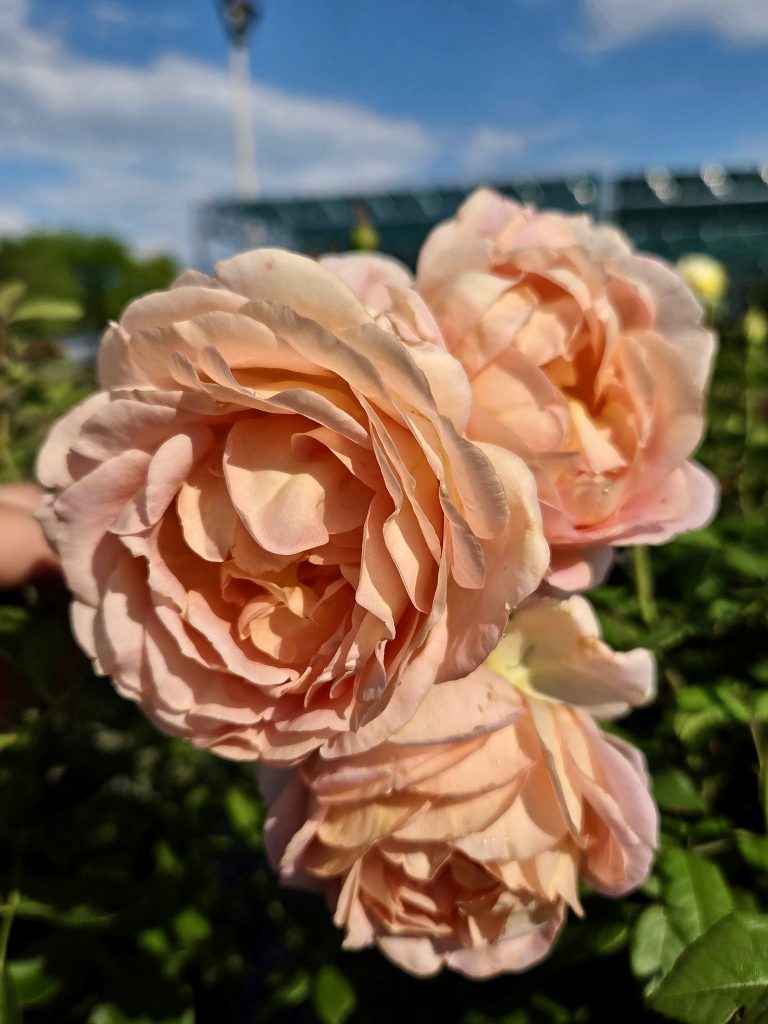
Roses are classified into three main categories: Modern Roses, Old Garden Roses, and Wild Roses, with numerous popular varieties like Hybrid Tea, Floribunda, and Grandiflora.
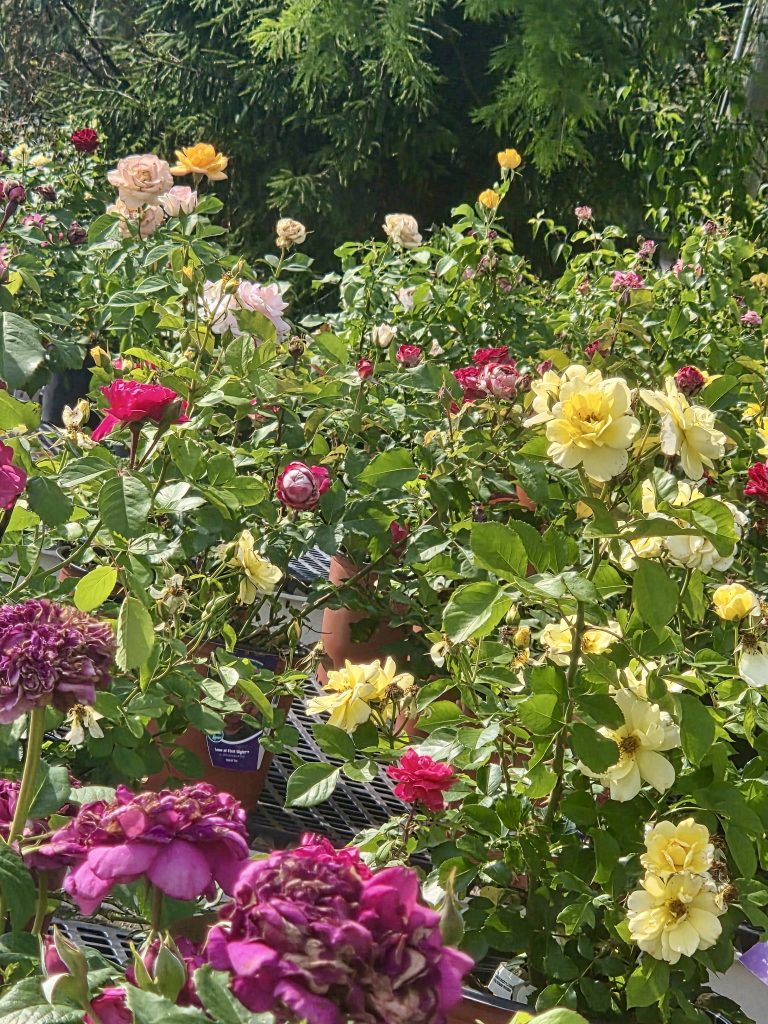
Modern Roses
Modern roses were bred after 1867 and are known for their continuous blooming and large, showy flowers. Popular types include:
- Hybrid Tea Roses: Tall stems with single, high-centered blooms, ideal for bouquets and formal gardens. They bloom repeatedly throughout the season and come in a wide range of colors including red, pink, white, yellow, and bi-color varieties.
- Floribunda Roses: Bushy plants with clusters of 3–15 blooms, offering vivid colors and a pleasing fragrance. They are excellent for borders and mass plantings.
- Grandiflora Roses: A cross between Hybrid Tea and Floribunda, these tall plants produce clusters of large blooms and are known for reblooming and disease resistance.
Wild Roses
Also called species roses, these are the natural, unhybridized forms. They usually have single five-petal flowers, most commonly pink, and are hardy and low-maintenance. Yellow or white wild roses are rare.
- Old Garden Roses
Also called antique or historic roses, these existed before 1867. They typically bloom once per season but are highly fragrant and hardy. Examples include: - Damask Roses: Known for their strong fragrance and historical significance.
- Gallica Roses: Compact shrubs with rich-colored blooms, often used in heritage gardens
Other Notable Types
- Climbing Roses: Long, flexible canes that can cover trellises, fences, or walls. They may bloom once or repeatedly depending on the variety.
- Shrub or Landscape Roses: Disease-resistant, low-maintenance roses suitable for mass planting and continuous blooms throughout the season.
- Miniature Roses: Small, compact plants ideal for containers or indoor gardening, often with continuous blooms.
- English Roses: Bred by David Austin, combining the fragrance of Old Garden Roses with the repeat-blooming habit of Modern Roses.